Category: articles

  • Affordable No Down Payment Car Insurance: Discounts & Eligibility

    [elementor-template id=”1583″]

    Last updated on February 1, 2026

    Navigating Discounts for Affordable No Down Payment Car Insurance

    Samantha Johnson
    Author
    Samantha Johnson
    — insurance discounts expert

    Samantha Johnson is a licensed insurance agent with more than 10 years of experience guiding clients through the process of securing affordable and reliable coverage. She specializes in auto, renters, and home insurance, with a reputation for simplifying complex policies and tailoring solutions to meet each client’s needs. Samantha is passionate about educating clients and empowering them to make informed decisions about their financial protection.
    Based in Florida, Samantha contributes regularly to online sites, where she shares her unique insights on saving money, understanding local insurance requirements, and gives invaluable tips on how to save more money when purchasing an insurance policy. Outside of her professional work, she enjoys painting, spending time at the beach, and caring for her dog Spike.

    Finding affordable car insurance can feel difficult when you’re trying to avoid a big upfront payment. The good news is that “no down payment” policies may still come with discounts that reduce your monthly cost—if you know what to ask for and how to qualify.

    Before you start shopping, it helps to understand what insurers mean by a “no down payment” option and how payments are structured. If you want the basics first, review no down payment car insurance explained so you can compare quotes with confidence.

    Visual representation of affordable car insurance options without down payment.

    What “No Down Payment” Really Means

    No down payment car insurance typically means you can activate coverage without paying a large deposit up front. Instead, you’ll usually pay the first month (or first installment) and continue with scheduled payments afterward. For drivers on a tight budget, this can make it easier to get legal coverage fast.

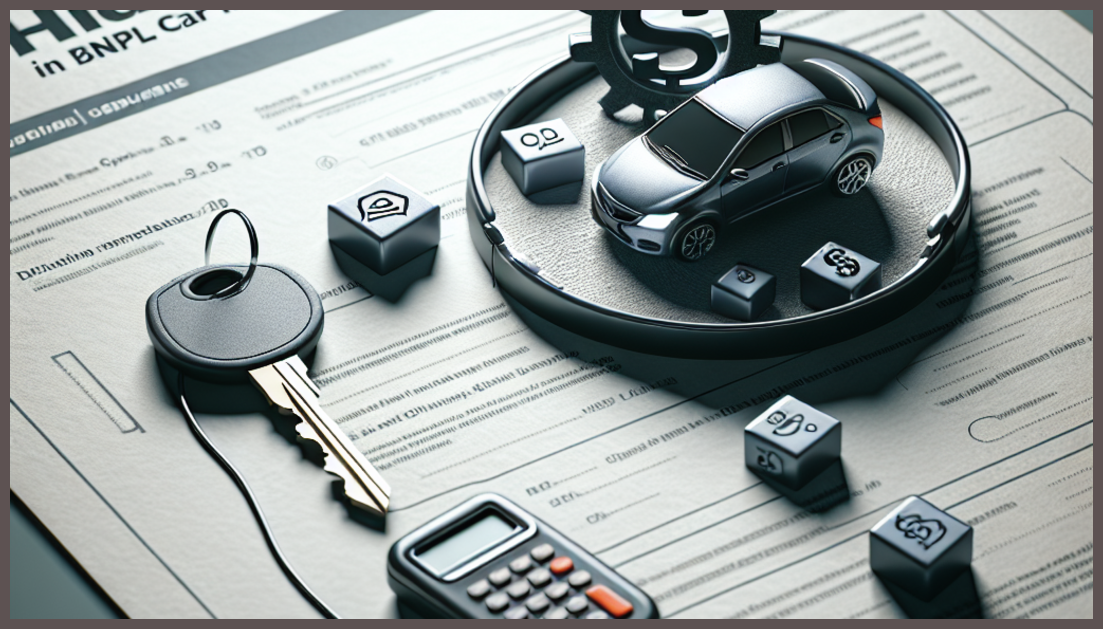
    However, the tradeoff is that monthly payments can be higher, especially if fees are baked into the plan. That’s why discounts matter—because they can help offset the cost of monthly billing and reduce your total paid over time. If you’re worried about surprise charges, skim hidden fees in BNPL-style car insurance to know what to look for when reviewing terms.

    Discounts That Can Make No Down Payment Coverage Affordable

    Discount availability varies by insurer and state, but these are the most common savings opportunities that can lower a no down payment policy:

    • Safe driver discount: Clean record, fewer tickets, fewer claims.
    • Telematics / usage-based discount: App or device tracks safe driving.
    • Good student discount: Usually requires a minimum GPA or proof of enrollment.
    • Vehicle safety discount: Anti-lock brakes, airbags, anti-theft systems.
    • Pay-in-full or EFT/autopay discount: Some insurers lower costs for automatic payments.
    • Multi-car / household discount: More than one vehicle insured on the policy.

    If you’re a newer driver, some eligibility rules can be stricter. In that case, it helps to see how insurers evaluate “risk” and which requirements you can realistically meet. A quick reference is tips to qualify for flexible payment insurance, which applies to many no-down-payment setups too.

    Eligibility Checklist: What Insurers Usually Look At

    Even if a carrier advertises “no down payment,” they may still review your profile before offering the lowest monthly rate. Expect eligibility to depend on things like:

    • Driving history: Tickets, accidents, lapses in coverage.
    • Vehicle type: Cost to repair, theft risk, safety ratings.
    • Location: ZIP code risk, traffic density, claim rates.
    • Payment history: Prior cancellations for non-payment can matter.

    Some drivers also ask whether BNPL-style payments impact credit. The answer depends on the provider and how they report. If you want that explained clearly, read how BNPL can affect your credit score.

    How to Compare Quotes Without Getting Misled

    To compare policies fairly, don’t just look at “monthly payment.” Compare the total cost and the actual coverage:

    1. Confirm what you’re paying today: first month, fees, activation costs.
    2. Check the deductible: higher deductibles often lower monthly price (but increase out-of-pocket later).
    3. Compare liability limits: minimum coverage can be cheaper but may leave you exposed.
    4. Ask what discounts are already applied: some quotes show “best case” pricing.

    Example of Insurance Cost Comparisons

    Example Monthly Premium Ranges by Coverage Type
    Insurance Type Typical Upfront Monthly Cost Range
    No Down Payment Coverage Low $100–$180
    Standard Monthly Billing Medium $90–$160
    Pay-in-Full (6–12 months) High Often lowest overall

    Simple Ways to Lower Your Monthly Payment Fast

    Even if you need a no-down-payment setup, you can often reduce monthly cost by doing the following:

    1. Turn on autopay: ask if there’s a billing discount.
    2. Bundle discounts where possible: renters or another vehicle can reduce the rate.
    3. Ask about telematics: if you drive safely, this can be one of the biggest savings levers.
    4. Re-check discounts at renewal: don’t assume they stay applied automatically.

    Final Word

    No down payment car insurance can be a practical option when cash is tight, but the best value comes from stacking the right discounts and avoiding policies loaded with fees. If you understand eligibility rules and compare quotes carefully, it’s possible to keep coverage affordable without paying a big deposit up front.

    FAQ

    What is no down payment car insurance?

    No down payment car insurance lets you start coverage with little to no deposit, usually by paying the first month (or first installment) instead of a large upfront amount.

    How do I qualify for discounts?

    Common discounts are based on safe driving, good student status, vehicle safety features, low mileage, telematics participation, and autopay. Ask which ones apply to your profile.

    Can no down payment plans cost more long-term?

    They can, especially if monthly billing fees or higher premiums are built in. Always compare total cost across the full policy term.

    Does a no down payment plan affect credit?

    It depends on the provider and whether they report payment activity. Late payments are the biggest risk factor.

    Compare Your No Down Payment Car Insurance Options


    Get Your Auto Insurance Quote Now

  • How Buy Now Pay Later Affects Your Credit Score

    [elementor-template id=”1583″]

    Last updated on February 1, 2026

    How Your Credit Score Changes When Using BNPL Compared to Traditional Credit

    Jane Taylor
    Author
    Jane Taylor
    — Insurance and credit awareness

    Jane Taylor is a licensed insurance agent with over a decade of experience helping individuals and families find affordable and reliable coverage. She specializes in auto, home, and renters insurance, with a focus on simplifying complex policies and making insurance easy to understand. Jane is passionate about empowering clients to make informed decisions that protect what matters most.
    Based in California, she writes regularly for leading insurance blogs, where she shares tips on saving money, understanding state requirements, and choosing the right coverage. When she’s not working with clients or writing, Jane enjoys gardening and volunteering at her local animal shelter.

    Buy Now, Pay Later (BNPL) has changed how people handle purchases that would normally go on a credit card. It can feel “easier” than traditional credit, but the real question is what it does to your credit score—especially if you’re using BNPL for recurring expenses like car insurance payments or related costs.

    If you’re deciding whether BNPL is a smart move for your budget, start with the fundamentals here: Is Buy Now Pay Later right for your budget? That context helps you avoid the most common mistake—taking on payments you can’t comfortably handle.

    Illustration of credit score and financial growth with BNPL concept

    What a Credit Score Measures (And Why BNPL Can Matter)

    Your credit score is a snapshot of risk. Lenders and insurers (in many states) look at patterns like on-time payments, total debt, and how often you apply for new credit. Even if BNPL “doesn’t feel like credit,” missed payments can still create financial trouble—and in some cases, can show up in the systems that influence future approvals.

    BNPL providers also don’t all behave the same way. Some run soft checks (no score impact), while others may do a hard inquiry (temporary score dip). And reporting rules differ by provider, product, and even by the type of plan you use.

    BNPL vs Credit Cards: The Big Differences That Affect Your Score

    Traditional credit cards typically report to the major bureaus every month. That means your payment history and your utilization ratio (how much of your credit limit you’re using) can move your score up or down.

    BNPL is different. Many BNPL plans are short-term installment loans, and whether they report depends on the provider. The safest assumption is simple: if you pay on time, you protect yourself; if you miss payments, you risk fees and possible negative reporting.

    Approval and Access

    BNPL is often easier to access than a new credit card, especially for people with limited credit history. That convenience is useful—but it can also make it easier to stack multiple payment plans without realizing how much you owe.

    How BNPL Can Help Your Credit

    BNPL can help in a few situations—mainly when you use it as a structured installment plan and pay every installment on time. For someone with a thin file (limited history), consistent on-time payments can support healthier credit habits overall.

    If your main goal is avoiding costly upfront payments on insurance, compare BNPL-style options with alternatives first. For example, this breakdown of no down payment car insurance benefits can help you decide whether “no down payment” is the better route than spreading payments across multiple BNPL plans.

    How BNPL Can Hurt Your Credit

    The most common credit damage comes from missed or late payments. Late fees can pile up quickly, and if a provider reports delinquency—or sends the account to collections—your score can take a serious hit.

    Even without bureau reporting, BNPL can still hurt you indirectly by increasing monthly obligations. If BNPL payments crowd out bills you must pay (rent, utilities, car payment, insurance), you can miss a more important due date and trigger larger credit consequences.

    Hidden Costs That People Miss

    Many users focus on “no interest” and miss the fine print: late fees, re-scheduling rules, and how quickly penalties apply. That’s why it’s smart to review a clear list of what can show up in real plans—start here: BNPL car insurance fees: what to expect.

    BNPL for Insurance: When It Makes Sense (And When It Doesn’t)

    BNPL can make sense when it prevents a lapse in coverage and you’re confident the installments fit your monthly budget. It’s most useful when you treat it like a strict payment plan—not extra spending power.

    But if you’re already carrying multiple installment plans, BNPL may increase the chance of missing a payment. If you’re unsure, compare how payment structures differ in BNPL vs traditional car insurance before committing.

    Practical Rules to Protect Your Score

    These habits reduce the odds of late payments and credit damage:

    • Use BNPL only when the installment fits your budget comfortably.
    • Keep the number of active BNPL plans low (fewer due dates = fewer mistakes).
    • Turn on autopay or reminders for every installment.
    • Read late-fee rules before you confirm a plan.
    • Prioritize essentials (insurance, housing, utilities) over optional purchases.

    Final Thoughts

    BNPL isn’t automatically “good” or “bad” for your credit—your payment behavior is what matters most. If you treat BNPL like a structured installment plan, pay on time, and avoid stacking too many plans, it can be manageable. If you miss payments or overextend your budget, it can become expensive fast and may put your credit at risk.

    FAQ

    Does BNPL affect my credit score?

    It can. Some BNPL providers report to credit bureaus, while others may not. Late or missed payments are the biggest risk either way because fees and collections can still happen.

    Is BNPL better than credit cards?

    It depends. BNPL can be easier to qualify for and may offer short-term no-interest plans, but credit cards can be safer if you pay in full monthly and keep utilization low.

    Can BNPL help rebuild credit?

    Sometimes, if the provider reports and you pay on time consistently. The safest approach is to use BNPL only for payments you can comfortably afford.

    Get Your BNPL Payment Plan Today


    Explore flexible payment options

  • Understanding Buy Now Pay Later Risks

    [elementor-template id=”1583″]

    Last updated on February 1, 2026

    The Real Risks of BNPL and How to Manage Them

    Jane Taylor
    Author
    Jane Taylor
    — Insurance coverage specialist

    Jane Taylor is a licensed insurance agent with over a decade of experience helping individuals and families find affordable and reliable coverage. She specializes in auto, home, and renters insurance, with a focus on simplifying complex policies and making insurance easy to understand. Jane is passionate about empowering clients to make informed decisions that protect what matters most.
    Based in California, she writes regularly for leading insurance blogs, where she shares tips on saving money, understanding state requirements, and choosing the right coverage. When she’s not working with clients or writing, Jane enjoys gardening and volunteering at her local animal shelter.

    Buy Now, Pay Later (BNPL) keeps getting more popular because it makes “yes” feel easy: you get what you want today and worry about the payments later. The risk is that “later” arrives fast—often with multiple due dates, late fees, and a budget that suddenly feels too tight.

    If you’re using BNPL for insurance-related expenses (or considering it), the first thing to understand is that BNPL can affect your financial flexibility in ways that aren’t obvious at checkout. A smart place to start is understanding the bigger picture of BNPL vs. traditional car insurance, because payment structure matters just as much as the monthly price.

    A minimalist image symbolizing financial risks and insurance.

    What BNPL Actually Is (And Why It Can Get Risky)

    Most BNPL plans split a purchase into multiple installments. That sounds simple—until you have several plans at the same time. BNPL risk usually isn’t one big mistake. It’s a lot of small commitments that pile up, especially when paydays and due dates don’t line up.

    BNPL can be helpful when it prevents a lapse in coverage or helps you avoid a large upfront bill. But if the plan pushes your monthly obligations too high, the “convenience” turns into stress quickly.

    Risk #1: Late Payments That Trigger Fees

    The most common BNPL problem is missing a payment. Many people don’t miss because they “can’t pay,” but because they’re juggling too many due dates. Late fees can stack up fast, and some providers escalate consequences quickly after a missed installment.

    If you want to avoid getting surprised by penalties, it helps to know the usual fee categories and where they show up. Read this before you commit to a plan: BNPL car insurance fees: what to expect.

    Risk #2: Overspending Because It “Doesn’t Feel Like Credit”

    BNPL can feel harmless because the first payment is small. That’s the trap. Small payments add up across multiple plans, and you can end up with a monthly total that behaves like a credit card balance—without realizing it.

    A good rule: if you wouldn’t buy it in cash today, don’t split it into four payments. BNPL works best for planned expenses, not impulse purchases.

    Risk #3: Credit Score Confusion

    Some BNPL plans are reported to credit bureaus, others aren’t, and that can change over time. The safest approach is to assume missed payments can still come back to haunt you (fees, collections, or negative marks depending on the provider and plan).

    To understand what tends to move your score and what usually doesn’t, read: how BNPL affects your credit score. It’s especially important if you plan to finance a car, rent an apartment, or shop for better insurance rates soon.

    Risk #4: “Hidden” Terms That Most People Skip

    BNPL marketing often focuses on “no interest,” but the real cost is usually in the terms: late fees, rescheduling rules, payment methods, and what happens when a card fails. Even when the terms are “clear,” people simply don’t read them.

    If you want a quick reality check on what to look for, review hidden fees in BNPL car insurance so you know what to scan for before you click confirm.

    How to Manage BNPL Safely

    BNPL is safest when you run it like a strict budget line item—just like rent or insurance. These habits make a real difference:

    1) Keep your BNPL plans limited. One active plan is manageable. Four active plans is where people start missing dates.

    2) Align BNPL due dates with your payday. If the provider lets you choose, do it. If not, plan for the earliest due date every month.

    3) Use autopay or reminders. A missed payment is rarely worth the risk.

    4) Use BNPL for essentials, not wants. If it’s not necessary, skip BNPL and save instead.

    When BNPL Can Actually Make Sense for Insurance

    BNPL can be a useful bridge if you need coverage now and you’re confident the installments fit your budget. But if you’re using BNPL because monthly premiums are already too high, you may be better off comparing options that reduce the overall cost instead of only changing the payment timing.

    For example, if you’re trying to avoid a big upfront payment, compare BNPL with flexible insurance structures like no down payment car insurance and see which approach reduces total risk and total cost.

    Credit Score Considerations

    Credit impact depends on the provider, the plan, and your payment behavior. The safest mindset is simple: BNPL should never put you in a position where you miss a payment anywhere else (rent, utilities, auto loan, or insurance).

    If you’re unsure whether BNPL fits your situation right now, run a quick personal check using your budget. This page helps you decide: Is BNPL right for your budget?.

    Summary: BNPL can be helpful, but the biggest risks come from stacked payments, late fees, and ignoring the fine print. If you budget carefully, limit active plans, and automate payments, you can reduce the chances of financial stress or credit problems.

    FAQ

    What are common risks associated with BNPL services?

    Common risks include late payment fees, overspending due to small installment amounts, and possible credit impact depending on the provider and plan.

    How can I avoid debt when using BNPL services?

    Stick to planned purchases, keep the number of active BNPL plans low, and set reminders or autopay so you never miss a due date.

    Is BNPL better than using credit cards?

    It depends. BNPL can be easier to access and may be interest-free if paid on time, but credit cards can offer stronger protections and flexibility if used responsibly.

    How do late payments affect my credit score?

    Late payments can hurt your credit if they’re reported or if an account is sent to collections. Even without reporting, late fees can create a financial snowball that causes missed payments elsewhere.

    Bottom Line

    BNPL is best used as a controlled tool—not a lifestyle. If you keep payments predictable, avoid stacking plans, and read the fee terms before you commit, you can reduce risk and keep your finances stable.

    Take Control of Your Finances with BNPL


    Get Your BNPL Options

  • Compare BNPL Car Insurance Providers Effectively

    [elementor-template id=”1583″]

    Last updated on February 1, 2026

    How to Compare BNPL Car Insurance Providers Effectively

    Jane Taylor
    Author
    Jane Taylor
    — Auto and Home Insurance

    Jane Taylor is a licensed insurance agent with over a decade of experience helping individuals and families find affordable and reliable coverage. She specializes in auto, home, and renters insurance, with a focus on simplifying complex policies and making insurance easy to understand. Jane is passionate about empowering clients to make informed decisions that protect what matters most.
    Based in California, she writes regularly for leading insurance blogs, where she shares tips on saving money, understanding state requirements, and choosing the right coverage. When she’s not working with clients or writing, Jane enjoys gardening and volunteering at her local animal shelter.

    BNPL car insurance can look similar across providers at first glance—monthly payments, quick approvals, and “flexible” terms. The difference is usually hidden in the details: how the payment plan is structured, what fees apply if something goes wrong, and how easy it is to manage your policy once you’re enrolled.

    This guide breaks down the exact checklist you should use to compare BNPL car insurance providers the right way, so you can pick a plan that fits your budget without sacrificing real coverage.

    A visual guide to comparing car insurance options simply and effectively.

    1) Start With Coverage First (Not the Payment Plan)

    BNPL is about how you pay, not what you get. Before you compare providers, decide what coverage you actually need: liability limits, collision/comprehensive, and any extras like rental reimbursement or roadside assistance. A “cheap” BNPL plan can be expensive if it leaves you underinsured.

    If you’re still deciding between flexible plans and more traditional structures, it helps to review BNPL vs. traditional car insurance so you understand what’s being changed (payment timing) versus what must stay strong (coverage quality).

    2) Compare the Payment Structure (Installments vs Monthly)

    Not all BNPL plans are the same. Some split the cost into 4 payments, while others look more like monthly financing. Ask each provider:

    – How many installments are there? (4, 6, 12, monthly, etc.)

    – Is it interest-free? If yes, under what conditions?

    – Can you change the due date? (important if it doesn’t match your payday)

    – What happens if a payment fails? (retry rules, late fees, cancellation timeline)

    3) Always Price the “Total Cost” (Not Just the First Month)

    BNPL sometimes makes the first payment feel smaller, but that doesn’t mean it’s cheaper overall. Compare providers by calculating the total you’ll pay over the full term and what you’ll owe if you cancel early.

    If you want a quick breakdown of where hidden charges usually show up, check hidden fees in BNPL car insurance before you choose—this is where many “good deals” fall apart.

    4) Verify Fees, Penalties, and Policy Cancellation Rules

    Fees are the make-or-break factor in BNPL comparisons. Some providers are reasonable, others are aggressive. Look specifically for:

    – Late payment fees

    – Returned payment fees

    – Reinstatement fees (if the policy cancels and you need to restart)

    – Early cancellation rules (and whether they keep any non-refundable charges)

    To avoid surprises, use this as your reference point: BNPL car insurance fees: what to expect.

    5) Look at Discounts You Can Actually Qualify For

    Discounts can change the ranking of providers dramatically. When you compare, ask each provider for a list of discounts and confirm which ones apply to you—don’t assume they’re automatic.

    If you’re a newer driver or shopping with a limited history, check what commonly applies to you first, then compare providers around that. This page is a helpful starting point: car insurance discounts for young drivers.

    6) Test the Claims Experience and Customer Support

    Pricing matters, but claims experience matters more. A provider with slow claims and weak support can cost you more in time, stress, and out-of-pocket expenses.

    Before you choose, check reviews for:

    – Claims turnaround time

    – Ease of submitting documents

    – Responsiveness (phone, chat, email)

    – Billing support (especially for BNPL payment issues)

    7) Make Sure the Plan Fits Your Budget (Reality Check)

    BNPL is safest when you can pay comfortably even if something changes (a smaller paycheck, an unexpected bill, etc.). If the plan is tight, a single missed payment can trigger fees or cancellation.

    If you’re not sure whether the installments match your monthly cash flow, do a quick personal check here: Is BNPL right for your budget?.

    Final Thoughts

    The best BNPL car insurance provider isn’t the one with the lowest first payment. It’s the one with the best balance of real coverage, predictable fees, manageable due dates, and discounts you can actually use.

    Use the checklist above and compare providers side by side. When you focus on total cost + coverage + rules, you avoid the common traps that cause people to overpay.

    FAQ

    What is BNPL car insurance?

    BNPL car insurance is a way to pay for your policy over time using installments or alternative payment plans instead of paying a larger upfront amount.

    How do I find the best BNPL car insurance provider?

    Compare providers by coverage limits, total cost over the term, fees for missed payments, cancellation rules, discounts, and customer service/claims reputation.

    Are there extra fees with BNPL plans?

    Sometimes. Fees can include late payments, failed payments, reinstatement fees, or non-refundable charges. Always read the terms carefully before enrolling.

    Is BNPL a good option for first-time drivers?

    It can be, but only if the installment plan fits your budget and you choose coverage that protects you properly. Discounts and fee structures matter a lot for newer drivers.

    Key Takeaways

    Compare coverage first, then payment structure. Always check total cost and fee rules, verify discounts you truly qualify for, and choose a provider with a solid claims reputation.

    Find the Best BNPL Car Insurance Options Now


    Get Your Quote Today!

  • Common Car Insurance Discounts for Young Drivers Explained

    [elementor-template id=”1583″]

    Last updated on February 1, 2026

    Common Car Insurance Discounts for Young Drivers Explained

    Jane Taylor
    Author
    Jane Taylor
    — insurance policy simplification

    Jane Taylor is a licensed insurance agent with over a decade of experience helping individuals and families find affordable and reliable coverage. She specializes in auto, home, and renters insurance, with a focus on simplifying complex policies and making insurance easy to understand. Jane is passionate about empowering clients to make informed decisions that protect what matters most.
    Based in California, she writes regularly for leading insurance blogs, where she shares tips on saving money, understanding state requirements, and choosing the right coverage. When she’s not working with clients or writing, Jane enjoys gardening and volunteering at her local animal shelter.

    Young drivers usually pay more for car insurance because insurers see “limited driving history” as higher risk. The good news is that most carriers offer multiple discounts that can stack together. The key is knowing which discounts you can realistically qualify for—and asking for them the right way.

    This page focuses on the most common discounts young drivers can get today, plus a practical checklist you can use when comparing quotes. If you want a broader overview of savings options, keep this companion guide open too: car insurance discounts for young drivers.

    Symbolic representation of car insurance discounts for young drivers.

    Why Young Drivers Get Higher Rates

    Most pricing comes down to risk signals: driving experience, accident history, and how often a driver in your age group files claims. Even if you’re a safe driver, insurers can’t “see” that right away—so discounts become your fastest way to bring the price down.

    The Most Common Discounts Young Drivers Can Actually Qualify For

    1) Good Student Discount

    If you’re in high school or college and keep solid grades, this is often one of the biggest “easy wins.” Many insurers accept report cards or transcripts as proof. Ask what GPA (or grade average) they require and how often you must re-verify.

    2) Driver Training / Defensive Driving Course

    Completing an approved course can lower the premium—especially for brand-new drivers. Some states and insurers have specific programs they prefer, so ask which course qualifies before you pay for it.

    3) Telematics / Safe Driving App Discount

    Many insurers offer a discount if you use a driving app or device that tracks habits like braking, speeding, and phone use. If you’re confident in your driving, this can pay off quickly. If you drive late at night often or in heavy traffic, the score may not favor you—so weigh it carefully.

    4) Multi-Car Discount (Family Policy)

    If you can stay on a parent/guardian policy (and it makes sense for your situation), the savings can be significant. This is one of the most common ways young drivers reduce costs without lowering coverage.

    5) Vehicle Safety Feature Discounts

    Cars with modern safety features (anti-lock brakes, airbags, stability control, anti-theft) may qualify for discounts. This won’t always be huge, but it can stack with other offers.

    6) Low Mileage Discount

    If you don’t drive much (short commute, remote school/work), ask about low-mileage pricing. Some carriers require periodic verification.

    7) Paid-in-Full vs. Monthly Billing Discounts

    Some insurers charge fees for monthly billing. If paying in full is realistic, it can reduce the total cost—even if the monthly price looks similar at first.

    About “Tattoo-Free” Discounts

    Some websites talk about “tattoo-free discounts,” but this is not a standard, widely advertised discount in the auto insurance industry. In most cases, carriers price based on driving and vehicle risk—not personal appearance.

    If you landed here specifically looking for tattoo-related offers, treat it as a “call and confirm” item, not something to assume. This page stays focused on the discounts that are most consistently available across insurers. For your tattoo-focused content, keep that topic concentrated on your dedicated page: tattoo-free insurance discounts for young drivers. That separation helps reduce keyword cannibalization between similar pages.

    How to Compare Quotes Without Getting Tricked by “Low Monthly” Pricing

    When you compare policies, don’t compare only the first monthly payment. Compare:

    • Coverage limits (liability, collision/comprehensive if needed)
    • Deductibles (higher deductible usually lowers premium)
    • Total cost over 6–12 months (not just month one)
    • Fees (billing fees, reinstatement fees, late fees)

    If you’re using flexible payment plans, make sure you understand fees and timing. This is the best reference to keep things predictable: BNPL car insurance fees: what to expect.

    Quick Checklist to Ask Any Insurer

    1. Which discounts apply to my profile right now?
    2. What proof do you need (grades, course certificate, mileage, app score)?
    3. Do discounts stack, and which ones don’t combine?
    4. Are there monthly billing fees or “installment” fees?
    5. When does the price change (renewal timing, mid-term changes)?

    Final Thoughts

    The fastest way for a young driver to lower insurance costs is stacking realistic discounts: good student + course + safe driving app + family/multi-car (if possible). After that, the next biggest lever is choosing sensible deductibles and avoiding hidden fees.

    If you’re exploring flexible ways to start coverage without a large upfront payment, this page can help you compare discount eligibility and costs: affordable no down payment car insurance discounts.

    FAQ

    What is the best discount for young drivers?

    Often the best “starter” discount is a good student discount (if eligible) or a safe driving/telematics discount (if your driving habits score well). The best savings usually comes from stacking multiple discounts.

    Can a defensive driving course lower my premium?

    Yes, many insurers offer discounts for approved courses, especially for newer drivers. Always confirm the course qualifies before you enroll.

    Do discounts stack?

    Many do, but not always. Some insurers limit which discounts can be combined, so ask directly.

    Is it cheaper to stay on my parents’ policy?

    In many cases, yes—multi-car and family policies can reduce cost. But compare quotes both ways to be sure.

    Get the Best Car Insurance Discounts Now


    Secure Your Policy Today!

  • No Down Payment Car Insurance Options: What’s Really Affordable?

    [elementor-template id=”1583″]

    Last updated on October 15, 2025

    Essential Considerations When Choosing No Down Payment Car Insurance

    Jane Taylor
    Author
    Jane Taylor
    — car insurance expertise

    Jane Taylor is a licensed insurance agent with over a decade of experience helping individuals and families find affordable and reliable coverage. She specializes in auto, home, and renters insurance, with a focus on simplifying complex policies and making insurance easy to understand. Jane is passionate about empowering clients to make informed decisions that protect what matters most.

    Based in California, she writes regularly for leading insurance blogs, where she shares tips on saving money, understanding state requirements, and choosing the right coverage. When she’s not working with clients or writing, Jane enjoys gardening and volunteering at her local animal shelter.

    If you’re a driver seeking no down payment car insurance, you’re not alone. Many consumers prioritize flexible payment options to ease their financial burden at the time of purchase. The shift toward more adaptable insurance models allows drivers to secure legally required coverage without the upfront cost traditionally associated with most car insurance policies.

    Understanding these considerations will empower you to make informed choices tailored to your financial situation, driving history, and risk profile. Whether you are a first-time driver or someone managing a tight budget, knowing how no down payment options work can help you avoid unnecessary costs. For deeper eligibility guidance, visit top tips to qualify for BNPLCI.

    Some drivers access no down payment coverage through flexible installment-based structures similar to buy now pay later car insurance, which allows coverage to begin immediately while spreading payments over time.

    Conceptual image of car insurance savings and flexible plans

    Understanding the Types of Coverage

    When selecting a no down payment car insurance policy, it’s essential to understand the different coverage types available. Policies vary widely in protection levels, and knowing what each option includes helps ensure you are not underinsured.

    • Liability coverage: Required in most states, it covers bodily injury and property damage you cause to others.
    • Collision coverage: Pays for damage to your vehicle after an accident, regardless of fault.
    • Comprehensive coverage: Covers non-collision events such as theft, vandalism, fire, or natural disasters.

    Financial Implications of No Down Payment Insurance

    Choosing no down payment car insurance allows immediate access to coverage, but it can affect long-term costs. Insurers may distribute upfront risk into higher monthly premiums or service fees.

    While monthly payments may appear affordable at first, variables such as your credit profile, claims history, vehicle type, and location can influence the final cost. It’s important to evaluate the full payment structure rather than focusing only on the absence of an upfront fee.

    Before committing, review possible administrative charges or payment-related fees. A detailed breakdown is available in our guide on hidden fees in BNPL car insurance.

    Assessing Your Risk Profile

    Your individual risk profile plays a major role in determining your premium rate. Insurers analyze factors such as age, driving experience, location, claims history, and credit-based insurance scores.

    Drivers with limited credit history, recent lapses in coverage, or first-time policyholders often qualify for no down payment options, but this flexibility may result in higher monthly premiums. Balancing short-term affordability with long-term cost stability is key.

    Understanding your risk profile allows you to evaluate flexible payment structures more effectively. For a broader comparison of installment-based plans, explore buy now pay later car insurance options.

    Provider Reputation and Customer Service

    Provider reputation is a critical consideration when choosing no down payment car insurance. Online reviews, complaint records, and claim satisfaction ratings can reveal how insurers treat policyholders after enrollment.

    Look for providers that combine flexible payment plans with strong customer support. Reliable claims handling and responsive service are especially important when managing installment-based policies.

    Finding Trustworthy Insights

    Independent consumer reviews and insurance comparison platforms can provide unbiased insight into provider reliability and transparency.

    You may also want to review resources focused on immediate coverage models, such as affordable coverage without a down payment, to better understand how payment flexibility affects insurer stability.

    Policy Comparison and Coverage Analysis

    Comparing policies side by side is essential when evaluating no down payment car insurance. A structured comparison helps uncover differences in pricing, exclusions, and payment terms.

    Key factors to compare include:

    • Monthly premium amounts
    • Deductible levels
    • Coverage limits
    • Payment schedules and penalties

    If you want a structured overview of how different insurers handle flexible plans, consult our BNPL car insurance comparison guide.

    Types of Discounts to Look For

    Even with no down payment policies, many insurers offer discounts that can reduce overall costs:

    • Multi-policy discounts for bundling coverage
    • Safe driver discounts for clean records
    • Affiliation or employer-based discounts

    Community Engagement and Insights

    Online forums and personal finance communities can offer real-world perspectives on no down payment insurance experiences. Learning from others helps identify common pitfalls and overlooked savings opportunities.

    To avoid overextending your budget, review best practices outlined in how to use buy now pay later responsibly.

    FAQ

    What is no down payment car insurance?

    No down payment car insurance allows drivers to start coverage without paying an upfront deposit, spreading costs into scheduled payments instead.

    Are there drawbacks to no down payment policies?

    These policies may include higher monthly premiums or additional fees, making it important to review total costs carefully.

    How does my credit score affect my premium?

    Credit-based insurance scores can influence pricing. Stronger scores often result in lower rates, while weaker scores may increase costs.

    Where can I compare insurance providers?

    Insurance comparison platforms and provider review sites can help evaluate pricing and coverage. Resources such as Root Insurance may be useful.

    Conclusion

    Choosing the right no down payment car insurance requires careful evaluation of coverage, provider reliability, and long-term affordability. By comparing options, understanding payment structures, and selecting responsible plans, you can secure coverage that fits your budget without unnecessary financial stress.

    To explore flexible options tailored to your situation, visit BNPLCI and get started today.

    References

    1. https://www.joinroot.com/
  • Do Tattoos Affect Car Insurance Rates? Myths vs Facts for Young Drivers

    [elementor-template id=”1583″]

    Last updated on October 15, 2025

    Understanding Tattoo-Free Discounts in Insurance

    Jane Taylor
    Author
    Jane Taylor
    — Insurance coverage specialist

    Jane Taylor is a licensed insurance agent with over a decade of experience helping individuals and families find affordable and reliable coverage. She specializes in auto, home, and renters insurance, with a focus on simplifying complex policies and making insurance easy to understand.

    Based in California, she writes regularly for leading insurance blogs, where she shares tips on saving money, understanding state requirements, and choosing the right coverage. When she’s not working with clients or writing, Jane enjoys gardening and volunteering at her local animal shelter.

    Do tattoos affect car insurance rates? This is a common question among young drivers, and the short answer is no—tattoos themselves do not directly impact your insurance premium. Auto insurers do not ask about tattoos when calculating rates, nor are tattoos used as an official risk factor.

    However, some marketing programs and lifestyle-based incentives—often referred to as “tattoo-free discounts”—have emerged as optional promotional offers, especially for young or first-time drivers. These programs focus on affordability and accessibility rather than personal appearance.

    By exploring programs such as tattoo-free insurance discounts, young drivers can discover alternative ways to reduce costs while learning which factors actually influence insurance pricing.

    Car insurance discounts for young drivers illustrated conceptually

    Myths vs Facts: Tattoos and Car Insurance

    Myth: Having tattoos makes you a higher-risk driver.
    Fact: Insurers do not consider tattoos when calculating premiums.

    Myth: Tattoo-free discounts are mandatory underwriting rules.
    Fact: These programs are optional marketing incentives and do not replace traditional underwriting criteria.

    Actual rating factors include driving record, age, vehicle type, location, claims history, and credit-based insurance scores—not personal appearance.

    Eligibility and Benefits of Tattoo-Free Discount Programs

    Eligibility for tattoo-free promotional programs typically depends on standard underwriting factors such as age, driving history, and payment behavior. For young drivers, the main appeal lies in affordability rather than appearance-based evaluation.

    Some drivers report savings of up to 15–20% when combining promotional offers with other eligibility-based programs. For guidance on improving eligibility across flexible insurance options, review tips to qualify for BNPLCI programs.

    • May reduce upfront or monthly costs
    • Often compatible with first-time driver programs
    • Designed to improve access to coverage, not judge appearance

    How Tattoo-Free Discount Programs Work

    Tattoo-free promotions typically operate as limited-scope incentives rather than core pricing rules. Insurers still rely on conventional risk models, but may offer reduced fees or flexible payment structures for qualifying applicants.

    Many modern platforms, including BNPL-style insurance programs, focus on spreading costs over time rather than requiring large upfront payments—an approach that appeals to younger drivers managing tight budgets.

    Typical Application Process

    1. Submit an online quote request
    2. Provide driving and vehicle information
    3. Review eligibility for optional discounts or promotions

    Comparison With Other Insurance Discounts

    Tattoo-free promotions should be viewed alongside more established discount types. In many cases, traditional discounts offer greater and more predictable savings.

    Discount Type Potential Savings
    Tattoo-Free Promotion Up to 15–20%
    Good Student Discount Up to 25%
    Safe Driver Discount Up to 30%

    Addressing Common Concerns

    Some young drivers worry that promotional discounts may hide fees or affect long-term pricing. Reputable providers clearly outline terms, payment schedules, and renewal conditions.

    Platforms such as BNPLCI emphasize transparency by clearly separating promotional incentives from underwriting decisions, helping drivers understand what truly impacts their rates.

    Real-Life Experiences

    Many first-time drivers report that flexible-payment programs—not tattoos—were the most significant factor in making insurance affordable during early driving years.

    “When I compared quotes, I realized my driving history mattered far more than anything else. Flexible payment options helped me get insured without stress.” – Emily J., Verified Policyholder

    FAQs

    Do tattoos affect car insurance rates?

    No. Tattoos are not used by insurers to calculate auto insurance premiums.

    What are tattoo-free discounts?

    They are optional promotional programs, not mandatory underwriting rules.

    Can I combine tattoo-free promotions with other discounts?

    Yes. Many drivers combine them with safe driver or student discounts.

    Conclusion

    Tattoos do not affect car insurance rates. What truly matters are your driving record, risk profile, and payment structure. Tattoo-free discount programs should be viewed as optional affordability tools—not judgment-based pricing.

    Young drivers seeking flexible, transparent insurance options can explore available programs and payment plans by visiting BNPLCI.

    References

    1. https://www.forbes.com/advisor/car-insurance/discounts/
    2. https://www.nerdwallet.com/article/insurance/car-insurance-discounts
    3. https://www.valuepenguin.com/car-insurance-discounts
  • BNPL Car Insurance Fees: What to Expect

    [elementor-template id=”1583″]

    Last updated on October 15, 2025

    Unlocking the Truth About BNPL Car Insurance Fees

    Jane Taylor
    Author
    Jane Taylor
    — car insurance fees

    Jane Taylor is a licensed insurance agent with over a decade of experience helping individuals and families find affordable and reliable coverage. She specializes in auto, home, and renters insurance, with a focus on simplifying complex policies and making insurance easy to understand.

    Based in California, she writes regularly for leading insurance blogs, where she shares tips on saving money, understanding state requirements, and choosing the right coverage.

    Buy Now Pay Later (BNPL) car insurance has become an appealing option for drivers who want flexibility and immediate coverage without large upfront payments. However, BNPL policies often include specific fees that can significantly impact the total cost of your insurance if not fully understood.

    Understanding BNPL car insurance fees is especially important for first-time drivers and budget-conscious consumers. These fees may include application charges, installment processing costs, and penalties for missed payments. To better understand how BNPL compares with traditional models, reviewing BNPL vs traditional car insurance can provide useful context.

    Visual illustration of BNPL car insurance fees

    Types of BNPL Car Insurance Fees

    BNPL car insurance fees generally fall into several common categories. Being aware of each helps drivers anticipate real costs beyond the advertised monthly payment.

    • Application Fees: One-time charges for initiating a BNPL policy, often ranging from $20 to $100.
    • Processing or Installment Fees: Ongoing administrative costs for managing split payments.
    • Late Payment Fees: Penalties applied when payments are missed or delayed.

    Understanding the Real Cost Impact

    While BNPL plans may seem affordable upfront, recurring fees can accumulate over time. A low application fee may be offset by higher installment or late-payment charges, increasing the total policy cost.

    Drivers should carefully review fee schedules and payment terms. For a deeper breakdown of charges that may not be immediately obvious, consult our guide on hidden BNPL car insurance fees.

    Comparing BNPL Car Insurance Providers

    BNPL providers vary significantly in how they structure fees and penalties. Comparing insurers before committing to a policy is essential for minimizing long-term costs.

    • Check provider reputation and customer feedback regarding transparency.
    • Compare late-payment penalties and installment fees carefully.
    • Review policy terms for automatic increases or cancellation risks.

    Example Fee Comparison

    Provider Application Fee Late Payment Fee
    Provider A $30 $15/month
    Provider B $50 $25/month
    Provider C $20 $10/month

    These examples highlight why reviewing full fee structures is critical. For broader provider comparisons, see BNPL car insurance provider comparisons.

    How to Reduce BNPL Car Insurance Fees

    Drivers can minimize BNPL-related fees by taking a proactive approach:

    • Pay on time to avoid late penalties.
    • Read all policy terms before enrollment.
    • Choose realistic payment schedules aligned with your income.

    Responsible usage plays a major role in cost control. Reviewing how to use BNPL responsibly can help drivers avoid unnecessary financial strain.

    Consumer Experiences with BNPL Fees

    Many drivers appreciate the accessibility BNPL insurance offers, especially when starting out. However, consumer feedback frequently mentions frustration when fees are not clearly explained upfront.

    “I liked the flexibility, but missing one payment added fees faster than I expected. Knowing the terms earlier would’ve helped.” – Sarah J., First-Time Driver

    FAQ

    What are BNPL car insurance fees?

    They include application fees, installment processing charges, and late payment penalties associated with pay-over-time insurance plans.

    Are BNPL fees higher than traditional insurance?

    They can be, depending on payment behavior. Missing payments often results in higher total costs.

    How can I avoid extra BNPL fees?

    Understand the fee structure, pay on time, and select a provider with transparent terms.

    Conclusion

    Understanding BNPL car insurance fees is essential before choosing a flexible payment plan. While BNPL can improve accessibility, fees and penalties can raise total costs if not managed carefully.

    By comparing providers, reviewing policy terms, and using BNPL responsibly, drivers can make informed decisions. To explore transparent BNPL options, visit BNPLCI.

    References

    1. https://wallethub.com/answers/hoi/if-i-drop-my-geico-auto-insurance-policy-will-my-travelers-home-owners-policy-premium-2140808341/
  • Do Insurers Care About Tattoos? What Actually Affects Car Insurance Pricing

    [elementor-template id=”1583″]

    Last updated on October 15, 2025

    Proven Discounts for Young Drivers: Good-Student, Telematics & Defensive Driving

    John Stevenson
    Author
    John Stevenson
    — Insurance coverage strategies

    John Stevenson is a licensed insurance agent with over 18 years of experience helping clients navigate the often-complex world of insurance. He specializes in auto, homeowners, and life insurance, with a particular focus on providing customized solutions that balance protection and affordability. John is passionate about educating policyholders, ensuring they understand their options, and helping them make confident decisions.

    Based in Texas, John regularly contributes to insurance blogs and publications, offering expert insights on coverage trends, money-saving strategies, and industry best practices.

    Many drivers wonder whether insurers “care” about tattoos when pricing car insurance. In practice, tattoos are not a standard rating factor used to calculate auto insurance premiums. What typically affects pricing is your risk profile—things like driving history, age, location, vehicle type, and (in many states) credit-based insurance scores.

    That said, some marketing offers and niche promotions may reference “tattoo-free” discounts. If you’re exploring these programs, the key is to focus on what actually drives your rate and which discounts are proven to reduce premiums over time.
    If you want a straight myth-vs-fact explanation, see Do Tattoos Affect Car Insurance Rates? Myths vs Facts for Young Drivers.

    For drivers evaluating flexible payment structures, BNPLCI also explains how pay-over-time models can fit a tight budget. Learn more in BNPL’s flexible solution.

    Symbolic representation of insurance discounts for young drivers.

    What Actually Affects Car Insurance Pricing

    If you’re trying to lower your premium, it helps to focus on the factors that most insurers actually use. While rules vary by company and state, pricing typically depends on:

    • Driving record (tickets, at-fault accidents, claims history)
    • Age and driving experience (new and younger drivers often pay more)
    • Where you live (traffic density, theft rates, local claim frequency)
    • Vehicle details (repair cost, safety features, trim, engine, theft risk)
    • Coverage selections (limits, deductibles, optional coverages)
    • Payment behavior (missed payments can trigger fees or disruptions)

    If you’re comparing flexible models, reviewing BNPL versus Traditional Car Insurance can help you understand where costs come from and how payment schedules differ.

    Proven Discounts That Often Help Young Drivers

    Instead of worrying about appearance-based myths, young drivers typically save the most with established discount categories:

    • Good-student discounts (for qualifying academic performance)
    • Telematics/usage-based programs (safe driving patterns can reduce rates)
    • Defensive driving courses (available through some insurers/states)
    • Multi-policy or bundling (auto + renters/home where eligible)

    If you’re early in the process, start with eligibility basics and clean documentation. See top tips to qualify for BNPLCI for a simple checklist-style guide.

    How BNPLCI Adds Value for Young Drivers

    Young drivers often face elevated rates simply due to limited driving history. BNPLCI focuses on making coverage more accessible by offering flexibility around payment timing and helping drivers understand how to avoid unnecessary costs.

    Flexible Payment Options and Budget Control

    The Buy Now, Pay Later (BNPL) structure can help drivers spread payments across manageable installments. For students or first-time workers, this can make coverage feel less stressful—especially compared with large upfront deposits.

    • Spread payments over manageable installments
    • Flexible due dates aligned with monthly budgeting
    • Clearer expectations around fees and payment terms

    To understand whether BNPL is a fit for your situation, see Is Buy Now Pay Later Right for Me?.

    Fees, Terms, and Transparency

    Any pay-over-time plan can include fees depending on the provider and payment behavior. Before you enroll, review the fee schedule and ask what happens if a payment is late. For a clear overview, read BNPL Car Insurance Fees: What to Expect and then follow up with Hidden Fees in BNPL Car Insurance to avoid surprises.

    If you’re concerned about credit-related impacts, see how BNPL can affect your credit score (and what behaviors typically matter most).

    How to Apply and Compare Options

    A smart approach is to compare multiple providers for the same coverage level and deductible. If you want a structured way to evaluate providers, use compare BNPL car insurance providers to see what to check before deciding.

    When you’re ready, you can begin on How It Works and then request options that match your budget and driving profile.

    FAQ

    Do insurers care about tattoos when pricing car insurance?

    Typically, no. Tattoos are not a standard rating factor. Premiums are usually based on driving history, location, vehicle, coverage choices, and other underwriting criteria.

    What discounts actually help young drivers save the most?

    Good-student discounts, telematics/usage-based programs, defensive driving, bundling, and safe-driver savings are the most common high-impact categories.

    Can BNPL payment plans reduce my overall cost?

    BNPL models can improve affordability by spreading payments over time, but the total cost depends on fees, payment timing, and the provider’s terms.

    What should I review before choosing a BNPL plan?

    Check the fee schedule, late-payment policies, cancellation terms, and whether the plan affects credit reporting. Compare providers for the same coverage level.

    Conclusion

    Insurers generally do not price car insurance based on tattoos. What affects pricing is your risk profile and policy structure—especially driving history, location, vehicle details, and payment/coverage choices. The fastest path to savings is using proven discounts, comparing providers, and choosing a payment plan you can manage consistently.

    To explore flexible payment options and compare plans, visit BNPLCI and start your quote process today.

    References

    1. https://www.valuepenguin.com/car-insurance-discounts
    2. https://www.nerdwallet.com
    3. https://www.progressive.com/auto/discounts/
    4. https://www.statefarm.com/insurance/auto/discounts
  • Hidden Fees in BNPL Car Insurance Explained

    [elementor-template id=”1583″]

    Last updated on October 15, 2025

    Understanding Hidden Fees in BNPL Car Insurance

    Jane Taylor
    Author
    Jane Taylor
    — car insurance expertise

    Jane Taylor is a licensed insurance agent with over a decade of experience helping individuals and families find affordable and reliable coverage. She specializes in auto, home, and renters insurance, with a focus on simplifying complex policies and making insurance easy to understand. Jane is passionate about empowering clients to make informed decisions that protect what matters most.

    Based in California, she writes regularly for leading insurance blogs, where she shares tips on saving money, understanding state requirements, and choosing the right coverage. When she’s not working with clients or writing, Jane enjoys gardening and volunteering at her local animal shelter.

    Buy Now Pay Later (BNPL) car insurance is appealing because it can help drivers start coverage without paying the full premium upfront. Instead, the total cost is split into installments. The catch is that some plans may include hidden fees that are easy to miss if you don’t review the terms closely.

    If you’re comparing BNPL against standard policies, it helps to understand how fee structures differ. A good starting point is BNPL vs traditional car insurance, which breaks down the differences in payment expectations and total cost.

    For a full overview of standard fee categories (not just hidden ones), read BNPL car insurance fees: what to expect.

    Illustration of car insurance hidden fees and payment symbols.

    Key Components of BNPL Car Insurance

    Before you judge whether a BNPL plan is “cheap,” make sure you understand the parts that shape the real cost:

    • Premium Amount: The total cost for coverage (not just the first installment).
    • Payment Schedule: How often you pay and what happens if a payment is late.
    • Additional Costs: Fees that may not be obvious in a quick quote.

    Common Hidden Fees in BNPL Car Insurance

    Hidden fees can vary by provider, but they often show up in the “details” section of the agreement. Common examples include:

    • Late Payment Fees: Charges for missed or delayed installments.
    • Installment/Service Fees: Costs for processing payments or maintaining the plan.
    • Application or Setup Fees: One-time charges to start coverage.
    • Reinstatement Fees: Fees to restore coverage after cancellation or lapse.
    • Payment Method Fees: Extra costs for certain payment methods or expedited processing.

    The most important step is to read the fee schedule and ask the provider to confirm all charges in writing. If the provider can’t clearly explain fees, that’s a red flag.

    Comparing Providers

    BNPL fee structures are not standardized. One provider may advertise low upfront costs but add recurring service fees, while another may be simpler but require stricter payment timing.

    If you want a structured way to compare providers, use compare BNPL car insurance providers to evaluate transparency, penalties, and terms side by side.

    Awareness of Credit Implications

    Fees matter not only because they increase total cost, but because missed payments can trigger bigger problems—like coverage lapses, collections activity, or negative credit outcomes depending on how the plan is managed and reported.

    To understand the difference between common myths and what actually happens, review how BNPL affects your credit score. For BNPLCI-specific context, see does BNPLCI affect your credit score?.

    Identifying Responsible Use

    The easiest way to avoid hidden-fee damage is to match the plan to your budget and keep payments consistent. If you’re unsure about the best practices, read how to use BNPL responsibly.

    Real-World Insights on BNPL Car Insurance

    Drivers often choose BNPL for flexibility, but real-world experiences show that hidden fees can erase the benefits if payments are missed. One common pattern is a small missed installment triggering fees that stack quickly, raising the total cost above a traditional plan.

    “I liked the monthly flexibility, but one late payment added fees faster than I expected. After that, I started checking the fee schedule before choosing a plan.” – Real customer experience

    FAQ

    What hidden fees should I watch for in BNPL car insurance?

    Look for late payment fees, installment/service fees, setup fees, reinstatement fees, and any payment method charges.

    How do I reduce the risk of hidden fees?

    Read the fee schedule, confirm all charges before enrolling, and set reminders to pay on time.

    Can BNPL fees affect my credit?

    Depending on the provider and what happens after missed payments, fees and collections activity can influence your credit history.

    Conclusion

    BNPL car insurance can be helpful for cash-flow management, but hidden fees can quickly change the total cost. The best protection is understanding the fee schedule, comparing providers, and choosing a payment plan you can reliably maintain.

    If you want to explore BNPL options with clearer expectations, visit BNPLCI and review how plans are structured before you commit.

    References

    1. https://bnplci.com/what-is-buy-now-pay-later-car-insurance/
    2. https://bnplci.com/bnpl-vs-traditional-car-insurance/
    3. https://bnplci.com/how-bnpl-affects-your-credit-score-what-you-need-to-know/
    4. https://bnplci.com/does-bnplci-affect-your-credit-score/